

The Silent Struggle of the Digital Identity Crisis
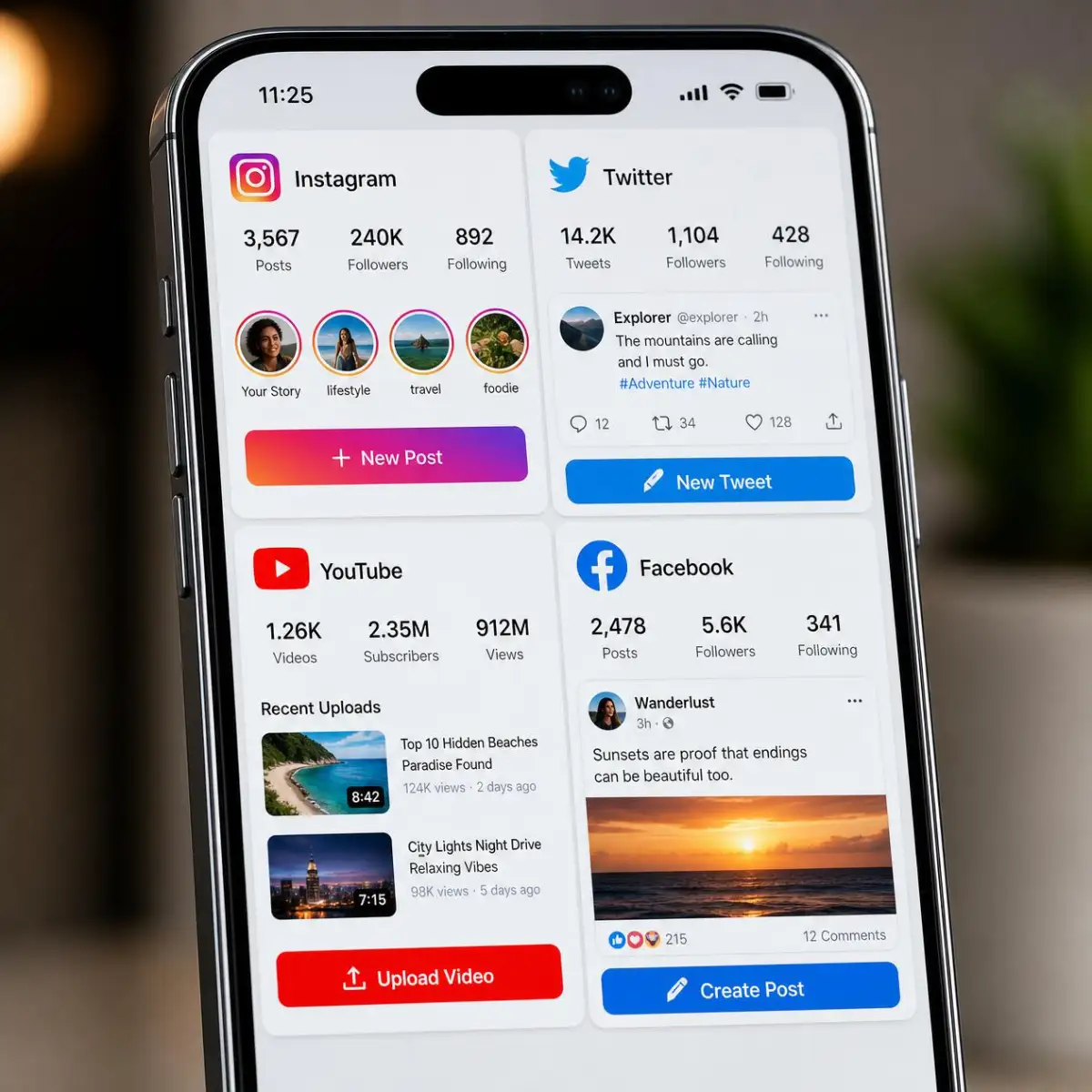
Have you ever scrolled through a brand’s Instagram feed, found it fun and bubbly, only to visit their LinkedIn page and feel like you just walked into a funeral? It is a jarring experience. One moment, they are using emojis and casual slang; the next, they are speaking in dense, corporate jargon that puts you to sleep.
This is what I call the "Digital Identity Crisis". It happens more often than you think. You might be doing this to your own brand without even realising it. You feel like you need to change your personality to fit the "vibe" of each platform. You think you need to be the "cool friend" on Instagram and the "stiff executive" on LinkedIn.
But here is the hard truth: your audience notices. They might not be able to articulate exactly why, but they feel the inconsistency. It feels fake. It feels like you are wearing a mask that changes depending on the room you are standing in.
This inconsistency is an invisible wall. It blocks trust. When people cannot figure out who you are, they stop trying. They stop listening. They stop engaging because they never know which version of "you" is going to show up tomorrow. It is exhausting for you to maintain, and it is confusing for them to witness. If you have been struggling to keep your business finances aligned while trying to fix this branding mess, you are not alone. It can feel like a mountain to climb. Sometimes, looking at your financial foundation helps, and you might consider <a href="https://trending36.com/blog/how-to-consolidate-multiple-debts-without-hurting-your-credit-score">understanding debt consolidation</a> if your cash flow feels messy, just to clear your head for this branding work.
Defining Your Brand’s North Star
To get past this identity crisis, you have to stop acting like a chameleon. A strong brand is not a person who changes their values depending on who they are talking to. A strong brand is like a person who is authentically themselves, regardless of the setting. They might use a different vocabulary, but the personality remains the same.
The Personality Test
If your brand were a person walking into a party, who would they be? Are they the life of the party, telling jokes and making everyone laugh? Or are they the quiet, observant expert standing in the corner, ready to offer deep, meaningful insight when asked?
There is no right or wrong answer here. The problem starts when your brand tries to be both the party animal and the quiet expert at the same time. You need to pick a lane.
Write down three adjectives that describe your brand’s personality. Be ruthless. Do not pick ten. Pick three. These are your anchors. If you are "professional, warm, and direct", then every post you write—no matter the platform—must fit within those three parameters.
Translating Personality into Tone
Once you have your three adjectives, you need to establish a system. A voice is your personality; it never changes. Tone, however, changes based on the context.
Think of it this way: you have the same voice whether you are talking to your boss or your best friend. But your tone is different. With your boss, you are respectful and measured. With your friend, you are relaxed and open.
This is the secret to unifying your message. You keep the personality (the voice) consistent, but you adjust the delivery (the tone) to suit the platform. LinkedIn needs more structure and professional context. Instagram allows for more playfulness and visual storytelling. But the core values—your "brand DNA"—should be unmistakable in both places.
Avoiding the "Empty Noise" Trap
Many creators get stuck because they think "consistency" means posting the same thing everywhere. This is a myth. That is not consistency; that is just spamming.
Consistency is not about the content; it is about the feeling your content gives off. When someone reads your tweet, then clicks through to your website, the transition should feel natural. It should not feel like they just entered a different building.
If your marketing strategy is feeling cluttered, you need to simplify your workflow. If you are constantly putting out fires and ignoring the long-term plan, you are setting yourself up for burnout. This is why having a <a href="https://trending36.com/blog/zero-to-hero-how-to-build-a-bulletproof-emergency-fund-fast">bulletproof emergency fund</a> is not just for life—it applies to business too. It gives you the safety net to slow down and build systems that actually work, rather than just chasing the next viral post.
The Systematic Framework for Alignment
You do not need a massive team to fix this. You just need a document. I call it the "Brand Compass". It does not need to be fifty pages long. A simple one-pager will do.
Your Brand Compass Components:
- The Mission: Why do you exist, in one sentence?
- The Vocabulary: What words do you always use? What words do you never use? (e.g., Do you use "customers" or "clients"? Do you use "learn" or "master"?)
- The Stance: What is your opinion on the biggest debates in your industry? Taking a stance makes you memorable.
Every time you sit down to write a caption, pull up this compass. If a post does not align with these points, throw it out. It does not matter how "good" the idea is. If it does not fit your voice, it is just noise.
Why Less is More
We often think that by covering every topic under the sun, we reach more people. In reality, we just confuse everyone.
Focusing on a specific niche is uncomfortable. You feel like you are leaving money on the table. But the opposite is true. When you stand for something specific, you attract the people who actually care about that thing. You become the go-to person for that topic.
If you are just starting to organise your professional life, remember that small steps lead to big wins. If you feel like your attempts to get professional loans or funding for your business are getting bogged down because of mistakes, do not panic. It is common. Just learn <a href="https://trending36.com/blog/the-ultimate-guide-to-getting-approved-personal-loan-mistakes-you-must-avoid">what mistakes to avoid</a> and pivot. The same discipline you use to fix your financial mistakes should be applied to your branding.
The Audit Approach
Once a month, look at your channels side-by-side. Put your LinkedIn profile next to your Instagram bio. Look at your latest email newsletter alongside your latest Facebook post.
Do they feel like they were written by the same person? Or does it look like three different departments in three different companies are running your accounts?
If it looks disconnected, do not beat yourself up. Use it as a learning moment. Identify which version of your brand felt most "true" and align the others to match that one.
Alignment is a process, not a destination. You will refine it over time. You will get better at knowing exactly what you stand for. But you have to start by creating the structure. Without a system, you are just reacting to the platform’s algorithm, and that is a game you will never win.
You have the expertise. You have the vision. Now, just ensure that vision comes through clearly, whether you are talking to one person or ten thousand. It starts with a unified voice.