
Phantom drain in electric vehicles is caused by background software processes, security cameras, and battery temperature management. You can eliminate this overnight battery loss by disabling third-party tracking apps, turning off constant cabin climate control, and stopping frequent mobile app checks.
The Mystery of the Disappearing Range
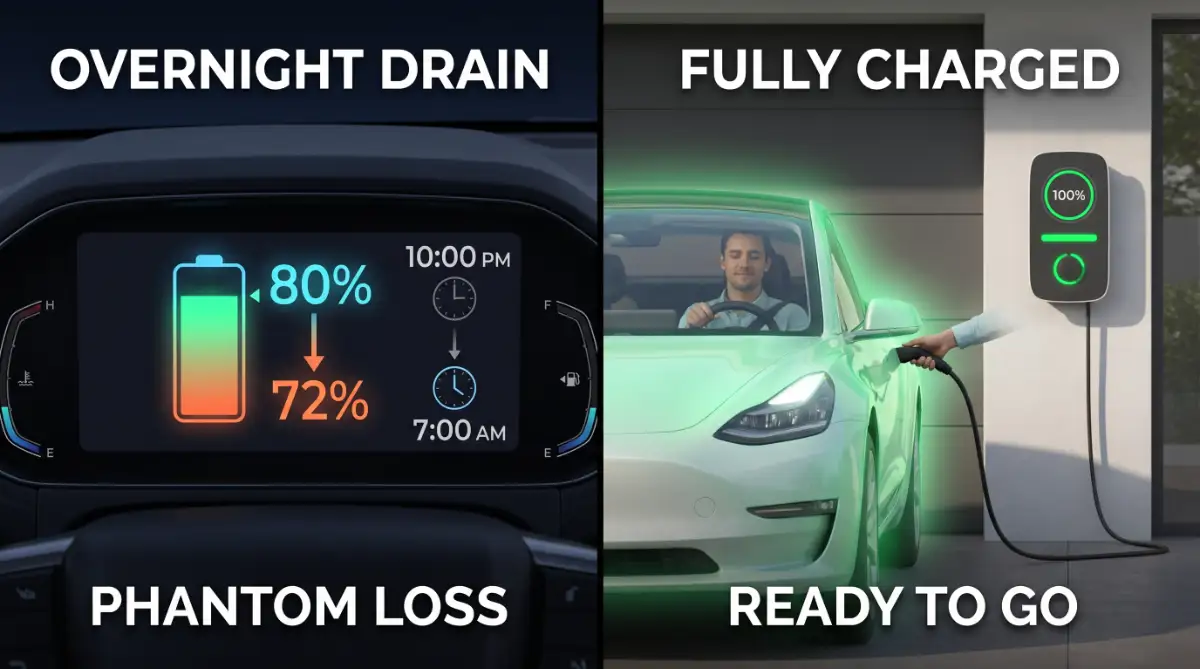
You pull your brand-new electric vehicle into the driveway after work. You check the dashboard, note that you have exactly eighty per cent battery remaining, and head inside for the evening. The next morning, you get ready for your commute, open your car door, and look at the screen.
The battery now reads seventy-two percent. You lost a significant chunk of your driving range while the car was sitting completely still.
This creates instant range anxiety. You start doing the mental math, wondering if you have enough power to make it to the office and back. You assume the battery is defective or that the electrical wiring in your house is somehow leaking power. You spent a premium price to save money on gas, yet you are literally bleeding electricity into thin air.
This phenomenon is commonly known as "vampire drain" or phantom power loss. It happens because modern electric cars are essentially massive computers on wheels. Even when the engine is off, the computer never truly sleeps. I am going to show you exactly what is stealing your electricity and how to put your car into a deep, energy-saving rest.
Shutting Down the Invisible Software Leaks
To stop the drain, we have to look at how your car communicates with the internet. Just like your smartphone, your EV maintains a constant cellular connection. If you leave too many apps running in the background, the battery dies rapidly.
Most owners accidentally grant permission to services that keep the car awake all night long. We need to cut those digital ties immediately.
Step 1: Disconnecting Third-Party Analytics
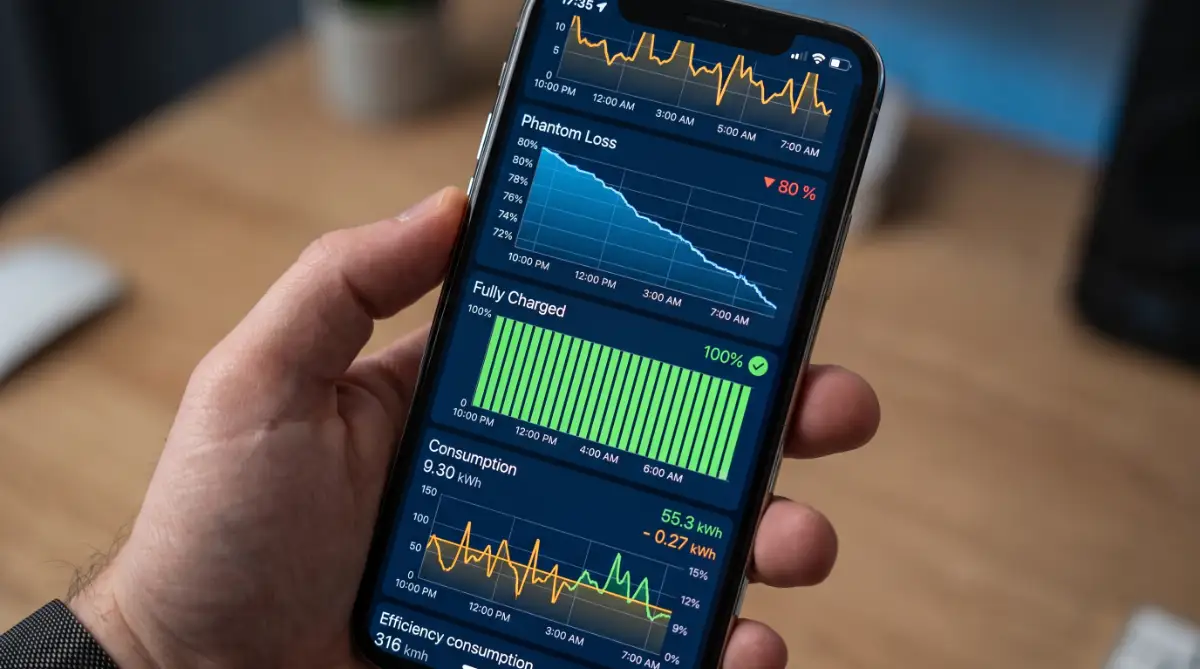
Many EV owners love data. They download third-party applications to track their driving efficiency, charging costs, and battery degradation.
These apps are incredibly aggressive. To give you accurate graphs, they send a signal to your car every five minutes asking for an update. Because the car has to answer the request, its internal computer physically cannot enter "deep sleep" mode.
You are burning highly expensive electricity just to generate a fun chart on your phone. This invisible data exchange is highly similar to hidden privacy leaks in everyday AI automation tools. You connect a software tool for convenience, and it silently drains your resources in the background. Go into your vehicle's account settings, find the authorised third-party applications, and revoke their access entirely.
Step 2: Managing Active Security Features
Modern electric cars feature incredible surveillance technology. Modes that record video when someone walks near your car provide fantastic peace of mind.
However, running four high-definition cameras, processing video feeds, and writing data to a USB drive consumes massive amounts of power. Leaving these active security modes on while parked securely in your own locked garage is a complete waste of energy.
Go into your safety settings and configure the security cameras to disable automatically when you are parked at your home address. This single adjustment can save you up to five per cent of your battery capacity every single night.
To understand the exact power draw of continuous internal computing systems, you can review technical efficiency reports from the Argonne National Laboratory, which extensively tests electric vehicle energy consumption during idle periods.
Mastering the Battery Management System (BMS)
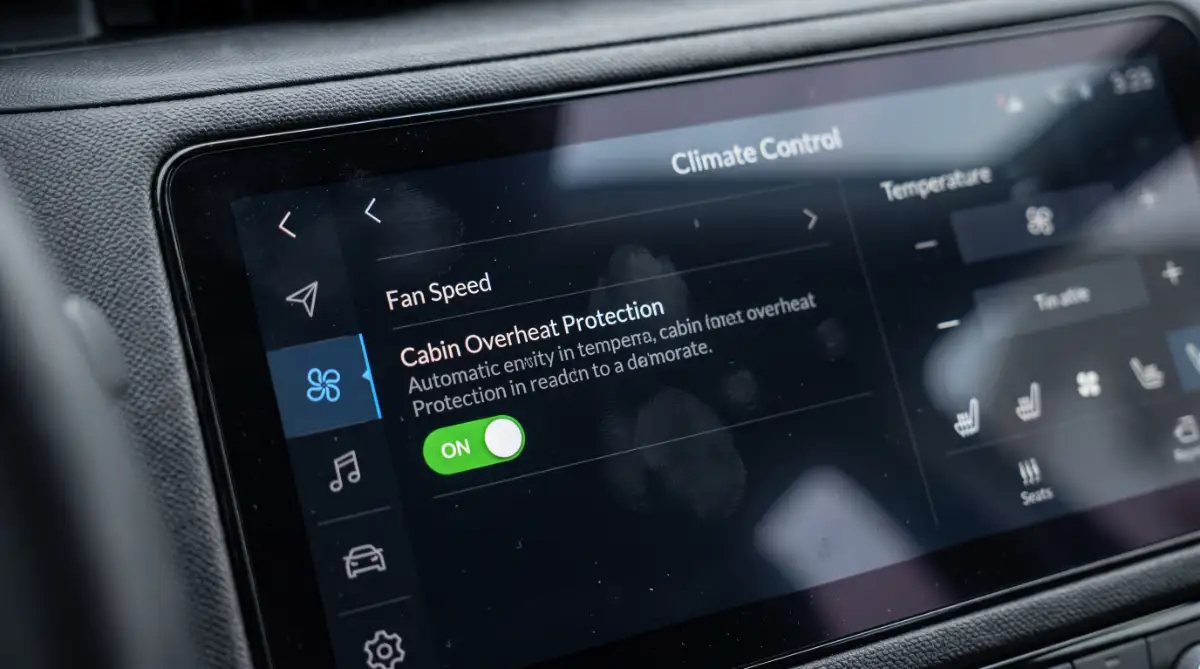
Beyond software apps, your car actively uses power to protect itself from extreme weather. The heavy lithium-ion battery pack sitting under your floorboards is highly sensitive to temperature.
The vehicle utilises a sophisticated Battery Management System (BMS). If the temperature drops below freezing, the BMS automatically turns on an internal battery heater to keep the lithium cells from freezing. If it gets too hot, it runs a liquid cooling loop.
You want the BMS to protect your investment, but you also want to control the costs.
Park Smart to Reduce Thermal Load
If you park your car outside in a freezing driveway, the battery heater will cycle on and off all night long. This thermal management is the biggest culprit behind winter range loss.
If you have a garage, clean it out and park your car inside. The ambient temperature inside a standard enclosed garage is usually mild enough to keep the BMS from activating.
If you must park outside in severe weather, keep the car plugged into your wall charger. When the car is plugged in, the BMS pulls electricity directly from the wall outlet to heat the battery, leaving your actual driving range perfectly intact.
Pro-Level Habits for Maximum Range Retention
Stopping the immediate software and thermal leaks gives you an excellent baseline. If you want to completely bulletproof your daily range, you must change how you physically interact with your vehicle.
Expert EV drivers treat their battery packs with high discipline. They do not just rely on the manufacturer's default settings.
One of the most effective habits is mastering the "pre-conditioning" schedule. Your car app likely allows you to set a departure time. The car wakes up early, warms the battery, and heats the cabin so it is perfectly comfortable when you get in.
If you set this schedule for a Tuesday, but you decide to work from home and leave the car in the driveway, the car still performs the full heating cycle. It burns a massive amount of power preparing for a trip you never take.
Turn off automated daily schedules. Only trigger the pre-conditioning manually from your phone ten minutes before you actually walk out the door.
Understanding the Toll of Idle Connections
Another advanced tactic involves Bluetooth proximity. If your car uses your smartphone as a digital key, the vehicle constantly scans the area looking for your device.
If your home office is located directly above the garage, your phone might sit just close enough to keep the car's Bluetooth receiver fully awake. The vehicle thinks you are about to open the door, so it keeps the primary computer booted up all day.
You can fix this by closing the manufacturer app completely on your phone when you are inside the house or simply turning off your phone's Bluetooth.
This table clearly illustrates how multiple small features stack together to create massive nightly energy losses.
The Destructive Mistakes That Degrade Your Battery
When owners get obsessed with maintaining a perfect hundred per cent charge, they ironically cause permanent damage to their expensive vehicles. Range anxiety pushes people to make highly destructive choices.
The absolute most damaging mistake you can make is forcing your car to charge to one hundred per cent every single night. Lithium-ion batteries experience extreme chemical stress when they sit at maximum capacity.
If you fill the battery to the absolute brim and let it sit in the garage for three days, the cells permanently degrade. You might fix your phantom drain, but you will permanently lower the total lifespan of the vehicle. You should only charge to eighty per cent for your daily commute.
The Cost of Digital Obsession
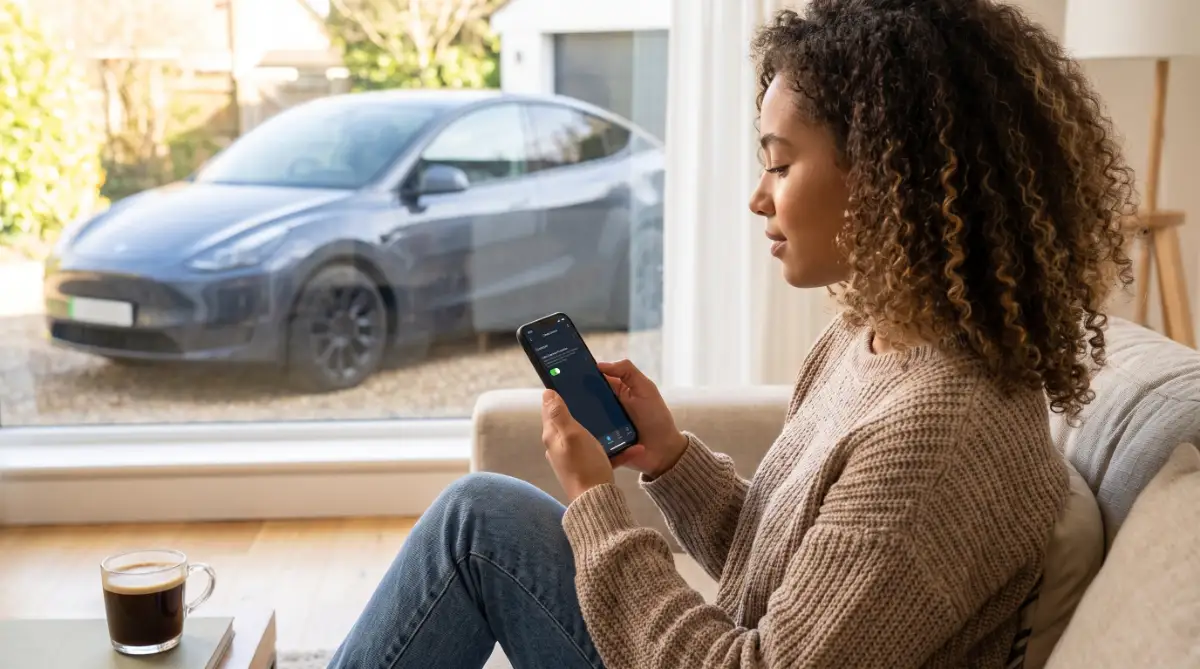
The most common human error is simply checking the app too often.
When you leave your car alone, it enters a low-power deep sleep. Every time you open the app on your phone to check the battery percentage, you send a wake-up call to the car.
The car clicks, boots up the main computer, engages the high-voltage contactors, and prepares to drive. If you check the app five times a day while on vacation, you are actively causing the battery drain you are trying to prevent.
This anxious behaviour is highly similar to the way people obsess over their health without letting their body rest. Just as the hidden impact of screen time on your metabolism prevents your physical body from entering deep sleep, constantly checking your digital dashboard prevents your car from resting.
You must trust the hardware. Close the app, put the phone down, and let the vehicle sleep.
Ignoring Over-the-Air Software Updates
Electric vehicle manufacturers release regular software updates over the internet. These updates frequently include optimizations for battery management and deep sleep routines.
Many drivers ignore the notification to install the update because it takes forty-five minutes to complete. Refusing to install these engineering patches leaves your car running on outdated, inefficient code.
Ignoring basic maintenance rules always leads to expensive, long-term consequences. This is identical to hidden dangers in life insurance policies avoid these traps. When you skip the mandatory administrative updates, you forfeit the protections built to save your investment. Always connect your car to your home Wi-Fi and allow it to update automatically at night.
To read official government recommendations on maximizing the efficiency of your electric vehicle, refer to the U.S. Department of Energy Alternative Fuels Data Center (AFDC). They provide highly accurate data on extending your driving range.
Your Final Action Plan for Energy Preservation
You now understand the exact mechanical and software behaviors causing your overnight range anxiety. You know that a dropping percentage is rarely a hardware failure, but rather a series of aggressive computer tasks running in the background.
Do not let your expensive investment slowly leak your money away. You have absolute control over these digital permissions.
Your Immediate Parking Checklist:
- Audit Your Apps: Log into your manufacturer account and revoke access to all third-party data tracking websites immediately.
- Adjust Security Boundaries: Set your active camera security features to automatically turn off when the GPS detects your home address.
- Lower the Charge Limit: Slide your daily charging limit down to eighty percent to protect the long-term chemical health of the lithium cells.
- Stop the Pinging: Close the manufacturer app on your phone completely. Do not open it again until you are ready to physically get into the driver's seat.
Managing an advanced piece of technology requires discipline. By removing the unnecessary background noise, you allow the machine to operate exactly as efficiently as it was designed to. You lock down your electricity, eliminate range anxiety, and wake up every morning with the exact amount of power you expect.
Frequently Asked Questions
Is it normal to lose one percent of battery per day while parked?
Yes. A loss of one percent per day (roughly two to three miles of range) is perfectly normal. This tiny amount of energy powers the internal clock, the alarm system, and the cellular receiver listening for your key.
Does leaving the charging cable plugged in prevent phantom drain?
When the car is plugged in, it pulls the energy needed for background tasks directly from your house rather than the battery. While this prevents the battery percentage from dropping, you are still paying for the electricity on your home utility bill.
Why does my EV lose more range in the winter while parked?
In freezing temperatures, the battery management system occasionally activates an internal heater to keep the lithium-ion cells from taking permanent cold damage. This thermal protection requires significant amounts of electricity.
Disclaimer: This blog post is designed for educational and informational purposes only. Electric vehicle software interfaces and battery management systems vary significantly across different manufacturers and models. Always consult your official owner’s manual or contact a certified manufacturer service center before altering charging limits or disabling factory safety features.